11. McEwan Pratt
Builder/Type: 10hp McEwan Pratt
Works number/year built: 760/1917
Previous bases: To APCM Ltd, Bidwell Clay Pit, Dunstable; A.J.Keefe, Aylsbury; R.P.Morris, Dartford, Kent; Abbey Light Railway; Welsh Highland Heritage railway
Notes on the prototype: The same type of loco as No. 10 and the only one of the three type survivors to be restored to working condition. These locos were originally built by McEwan Pratt (which was absorbed by Baguley) with water cooled petrol engines for use in the trenches of the First World War. They were intentionally lightweight and with a short wheelbase for use on temporary track delivering supplies to the front. However, being pioneers of internal combustion they were not without their flaws. The high driving position was not ideal for use in the trenches, nor the way their exhausts, originally mounted on top of the bonnet, would glow red hot. The gearbox has two speeds in each direction but the clutch, which was a cone clutch and not able to be slipped at all, was operated by partially winding on the handbrake, making them very difficult to drive with any finesse. They found their uses away from the front line at supply depots and forestry’s. After the war some found further employment, and one appears in a British Pathe newsreel film about the LNER’s sleeper works at Boston, hauling quite heavy looking wagons full of sleepers at what appears to be quite a pace! No.11 found itself at Bidwell Clay Pit near Dunstable and was left there when the pit flooded, up to it’s running boards in water. It’s next owner, Alan Keefe, was allowed it for free if he could retrieve it from the flooded pit. Evidence of it’s time underwater can be seen in the pitted surface of the chassis and bufferbeams. It was rebuilt to working order at the ALR but using a Petter diesel engine from a dumper truck in place of the missing original petrol engine. The clutch from the dumper truck was also used, allowing us to drive it with a bit more control than the original arrangement.

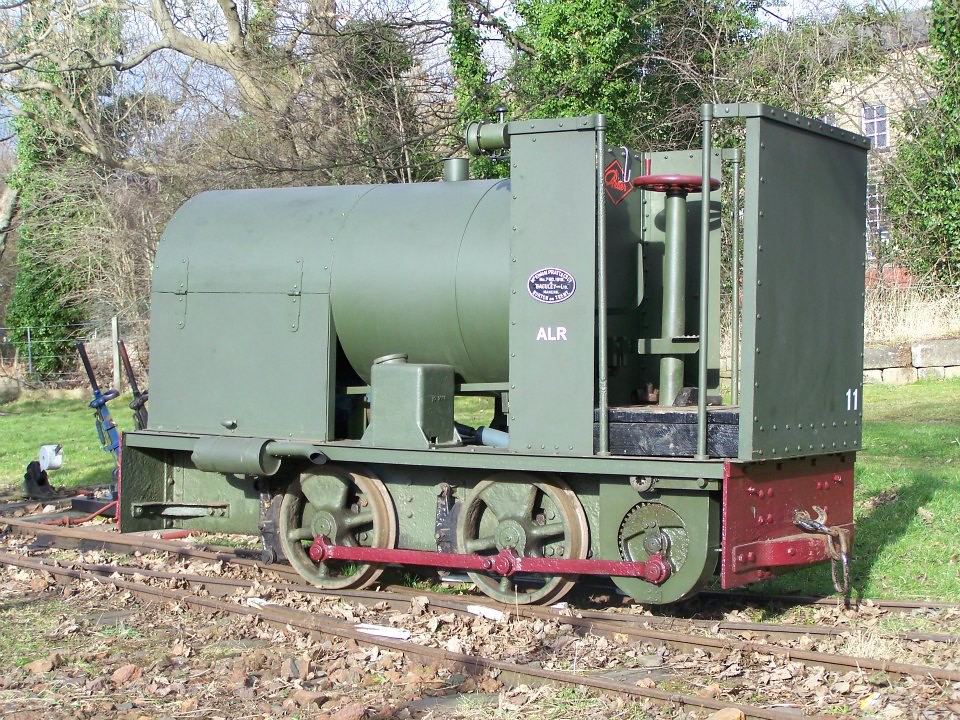
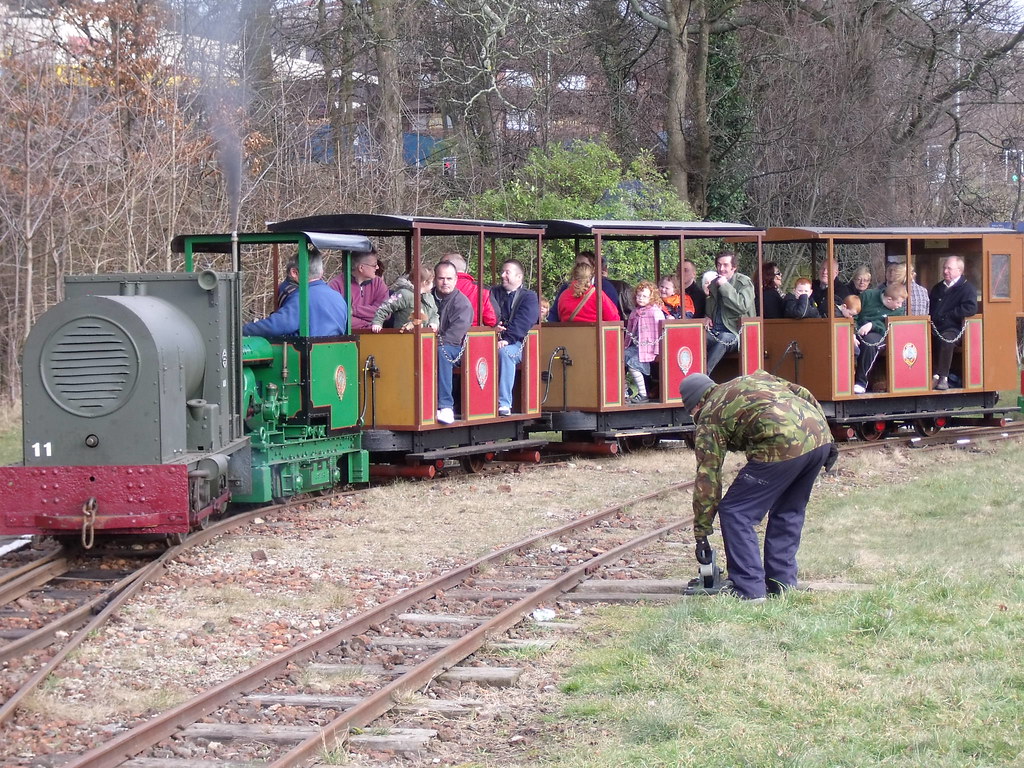
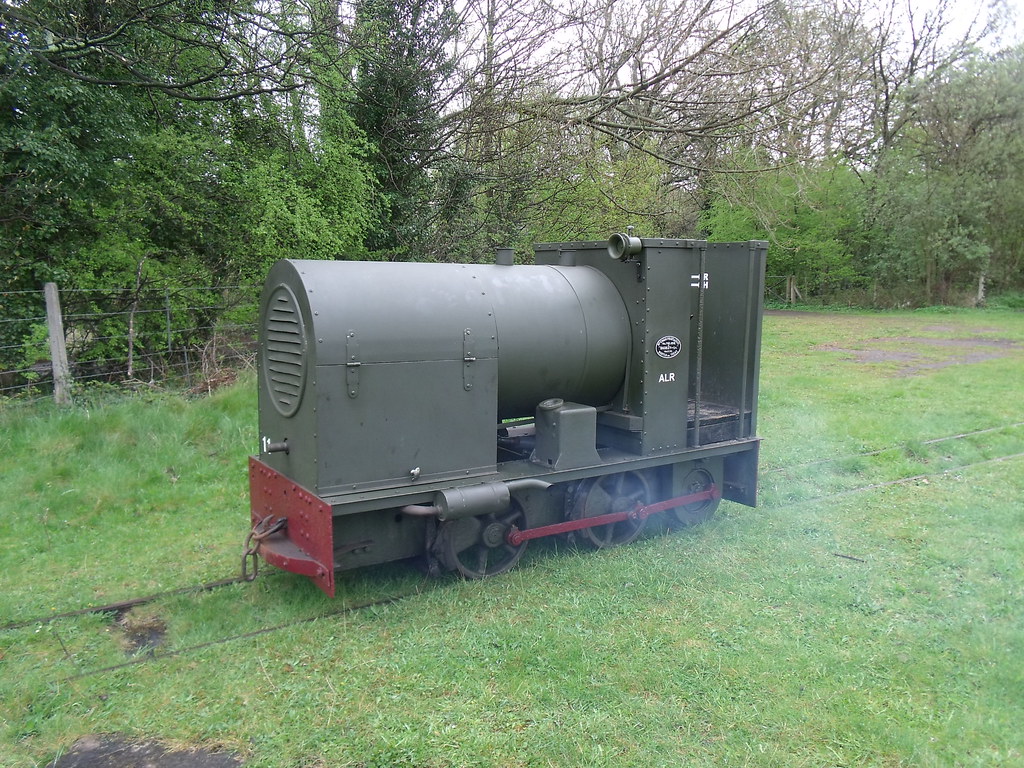
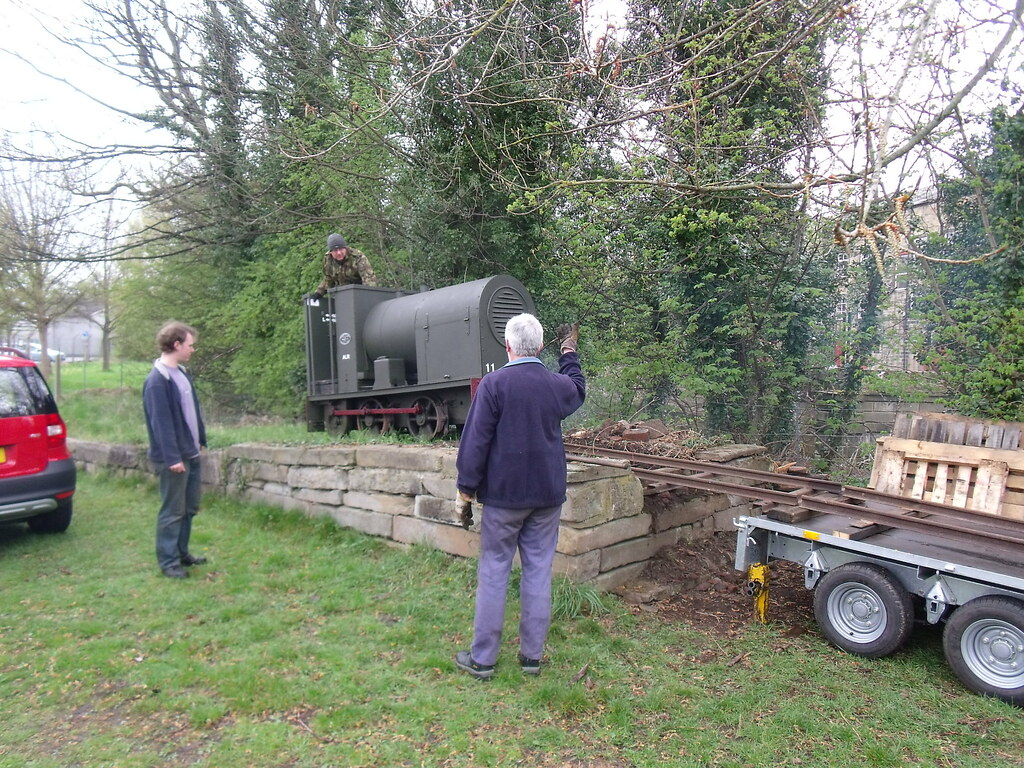
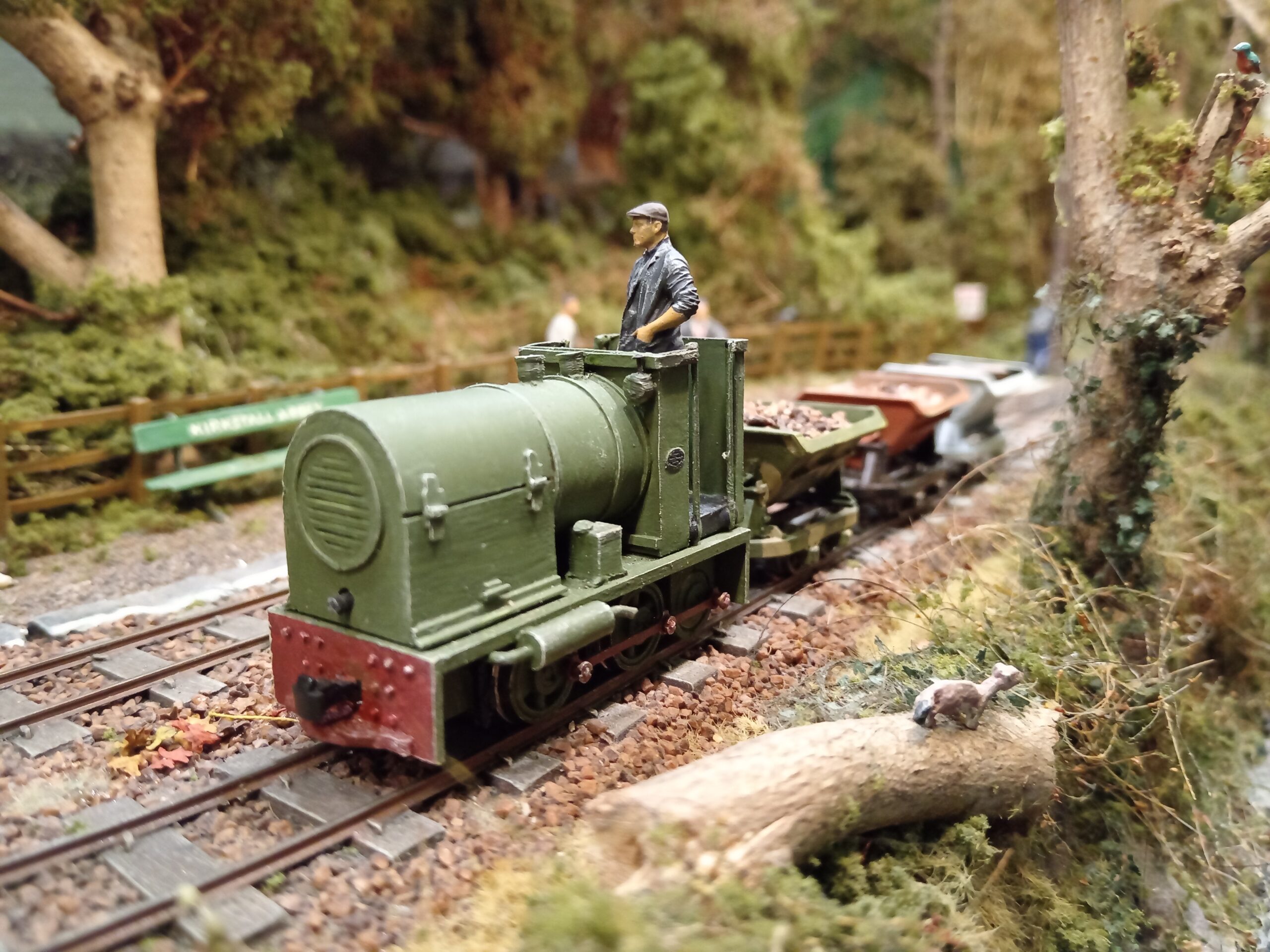
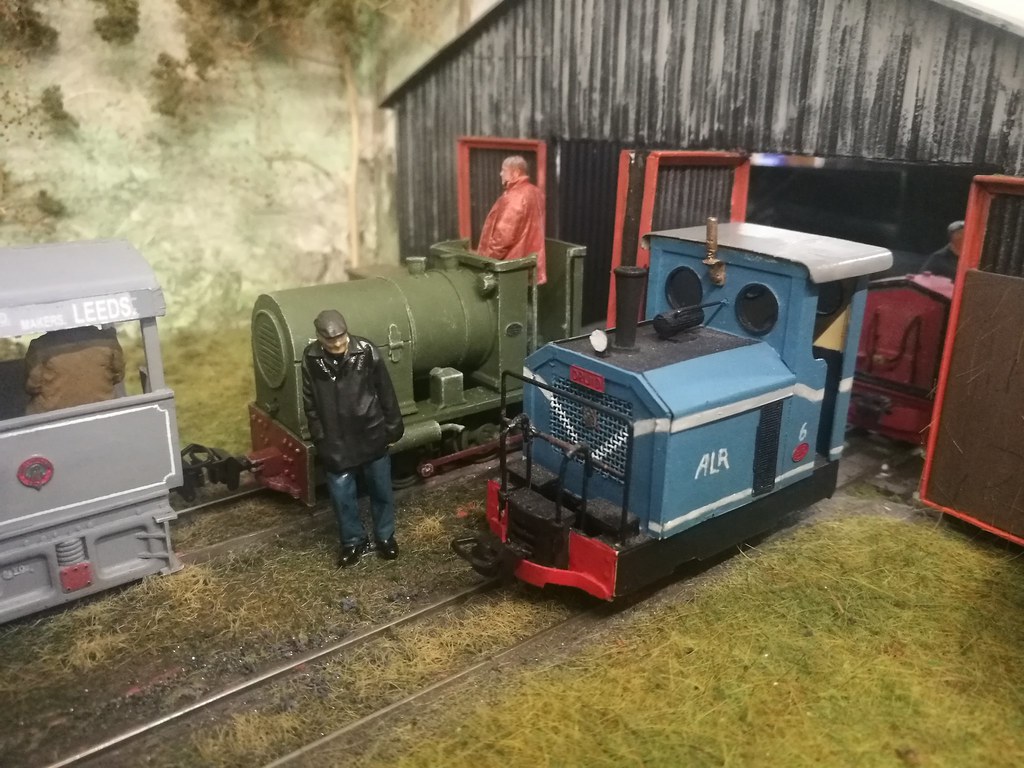
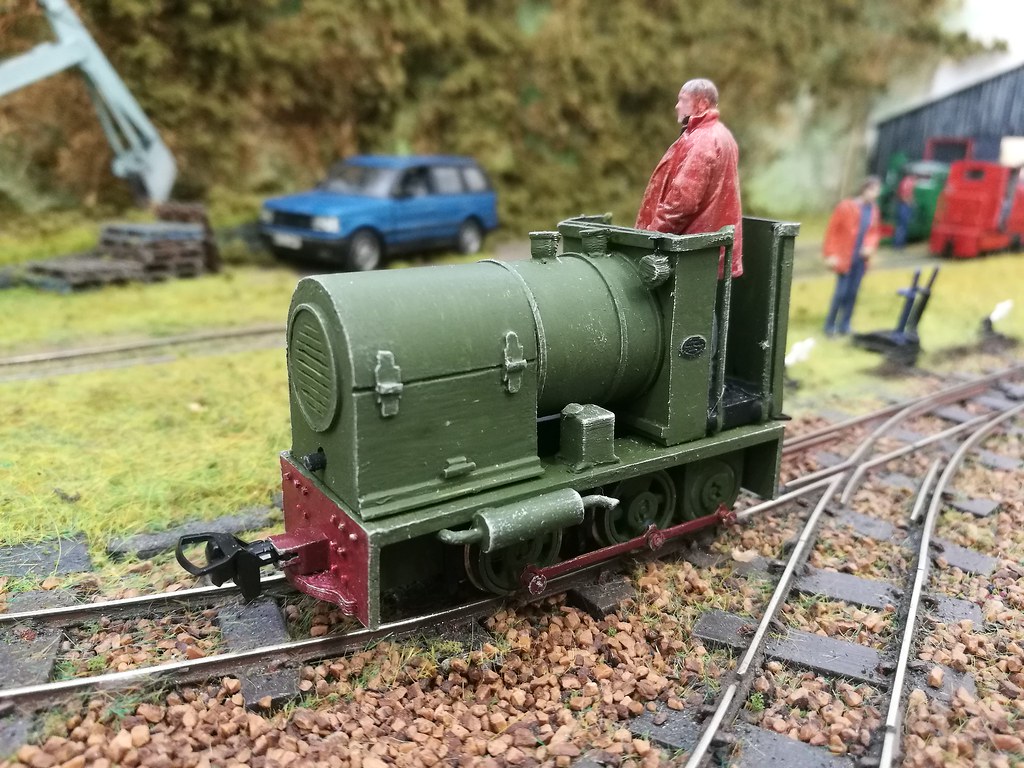
Notes on the model: The model is completely scratch built from brass and plasticard with a few 3D printed parts including the wheel centres. This is the only loco that I have built the chassis of, which is made from custom etched parts. The wheel tyres, crank pins and axles are Romford, but due to the prototype’s odd wheel and jackshaft designs I have replaced the plastic wheel centres with 3D printed parts. Quite frankly I’m amazed it works.